





Welcome
Powerful Supermarket Research Resources

We provide the news, insights and strategies that keep food and drug retailers informed and ahead of the curve.
TODAY'S GROCER reaches chain and independent supermarkets, convenience stores, wholesalers, distributors, category managers and executives across the supply chain — connecting top decision-makers with the information and opportunities that drive growth.
You will find no stronger vehicle for promoting your interests to industry leaders. TODAY’S GROCER is a platform for visibility, validation, and growth.
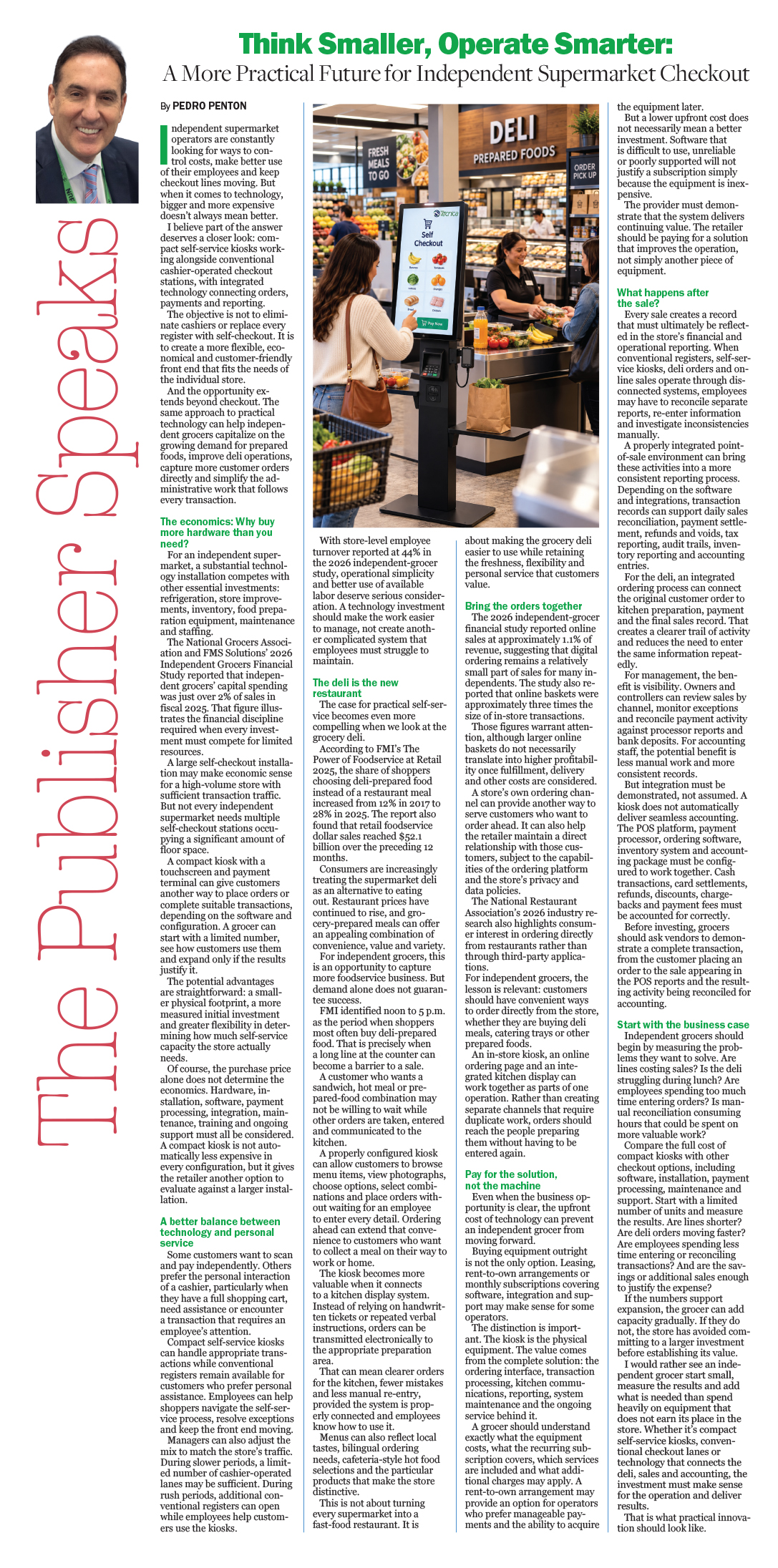

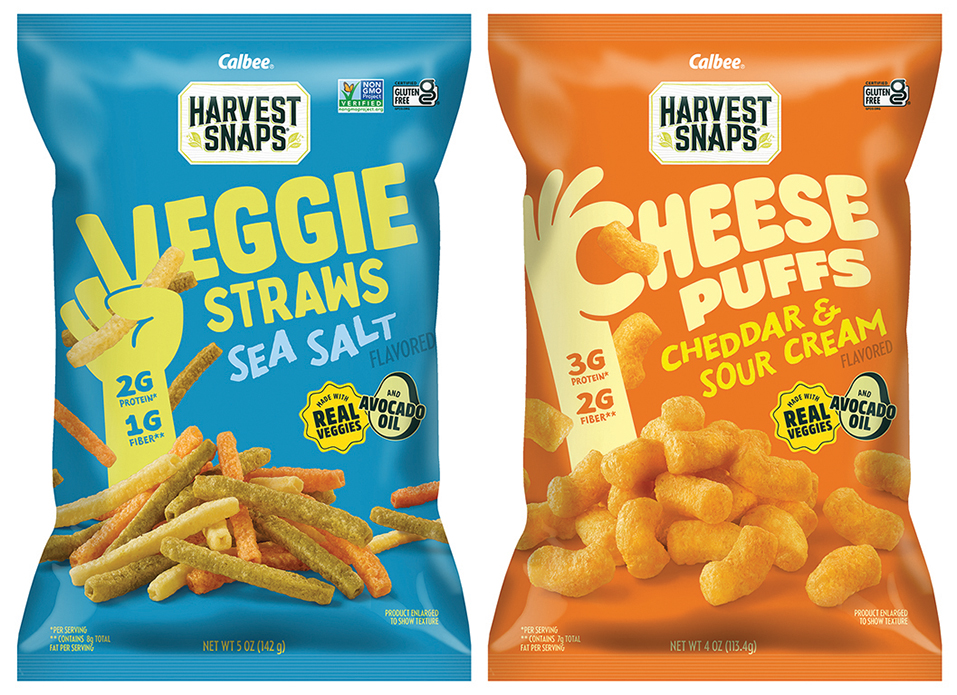
Harvest Snaps Expands Into Salty Snack Aisle
Harvest Snaps is expanding beyond the produce aisle with new Veggie Straws and Cheese Puffs, both made with yellow peas as the primary ingredient and avocado oil.
Veggie Straws come in Sea Salt, Zesty Ranch and Sweet ’n Spicy varieties, providing 2 grams of protein and 1 gram of fiber per serving. They are Non-GMO Project Verified and certified gluten-free.
Cheese Puffs, available in Cheddar & Sour Cream and White Cheddar Jalapeño, contain 3 grams of protein and 2 grams of fiber per serving and are certified gluten-free.
The expansion brings Harvest Snaps into two established salty snack categories. Both lines are available for retailer orders, with products reaching shelves in November, supported by a national marketing campaign.

‘Avengers: Doomsday’ Takes Over Pop Secret Packaging and Store Displays
Pop Secret is teaming up with Marvel Studios for a nationwide promotion tied to the Dec. 18 theatrical release of Avengers: Doomsday, featuring limited-edition packaging, themed in-store displays and movie rewards.
The promotion will bring characters and artwork from the film to select Pop Secret microwave and ready-to-eat popcorn varieties, including Movie Theater Butter, Homestyle Butter and Double Cheddar.
“Pop Secret has always been part of the way people experience the magic of movies, and collaborating with Marvel Studios on ‘Avengers: Doomsday’ allows us to make that ritual feel bigger than ever,” said Megan Osowski, vice president of marketing at Our Home.
Participating products will be available at Albertsons, Safeway, Kroger, Publix, Sam’s Club, Target, Walmart and other retailers nationwide.
Consumers who purchase three qualifying Pop Secret products can receive an $8 Fandango Movie Reward. The campaign also includes a sweepstakes offering a trip to New York City and additional movie-related prizes.
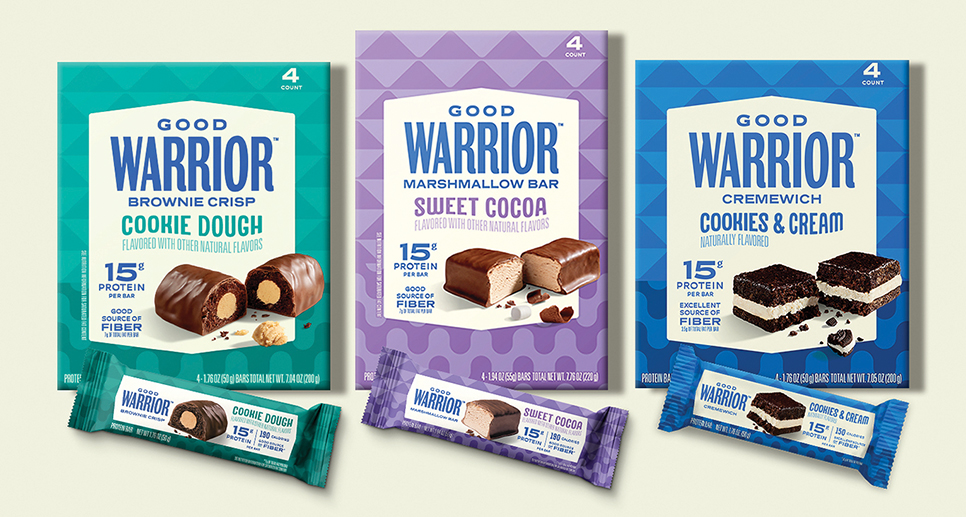
Good Warrior Expands Protein Snack Lineup With New Bars
PepsiCo Foods is expanding its Good Warrior protein snack lineup with three new bars, following the introduction of beef sticks earlier this year.
Each bar contains 15 grams of complete protein, including all nine essential amino acids, 7 grams or less of sugar and fiber. The bars contain no artificial preservatives or flavors.
The lineup includes Sweet Cocoa Marshmallow Bar, featuring a marshmallow-style center with a chocolate coating; Cookie Dough Brownie Crisp, combining a brownie layer with a cookie dough-flavored center; and Cookies & Cream Cremewich, featuring chocolate cookie pieces and a creamy filling.
Marshmallow Bar and Brownie Crisp varieties are available at select U.S. retailers, with Cremewich scheduled to launch in early 2027.
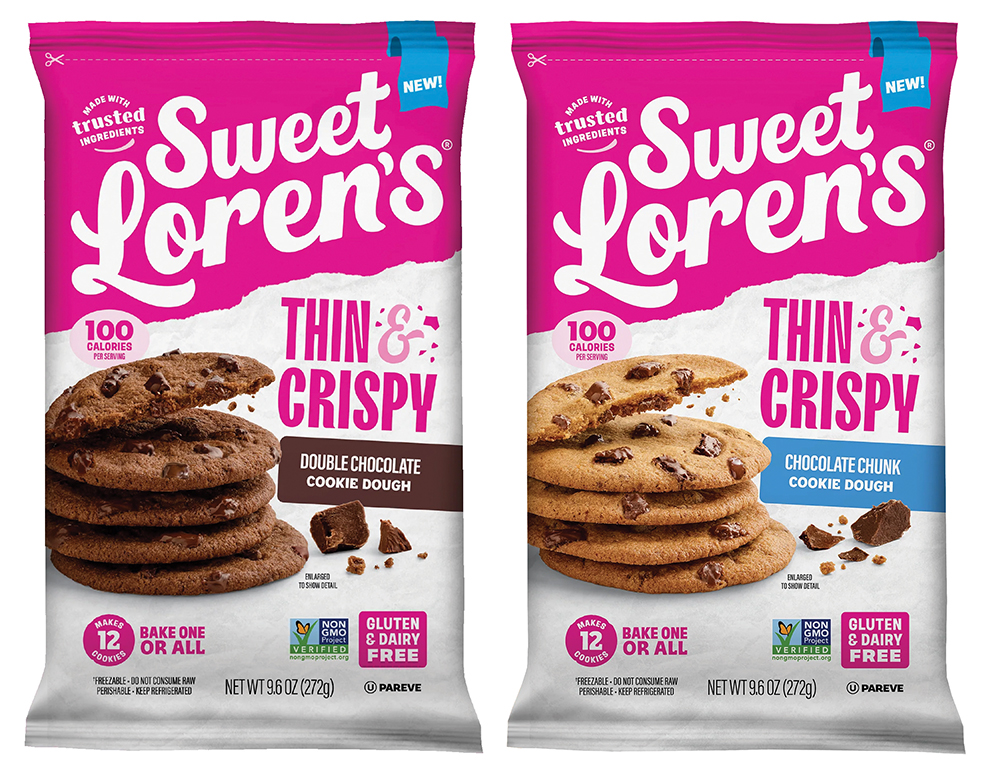
Sweet Lorens Launches Thin & Crispy Cookie Dough
Sweet Loren’s is expanding its refrigerated dough lineup with Thin & Crispy Cookie Dough, available in Chocolate Chunk and Double Chocolate varieties.
The ready-to-bake dough is designed to produce thinner, crispier cookies and comes pre-portioned for baking in conventional or toaster ovens.
Both varieties contain 100 calories per serving and are Non-GMO, certified gluten-free, dairy-free and free from the nine major food allergens.
The launch follows the introduction of Sweet Loren’s ready-to-bake oatmeal bars and scones earlier this year, adding another option to its refrigerated bakery assortment.
Thin & Crispy Cookie Dough debuted exclusively at select Whole Foods Market stores in October.
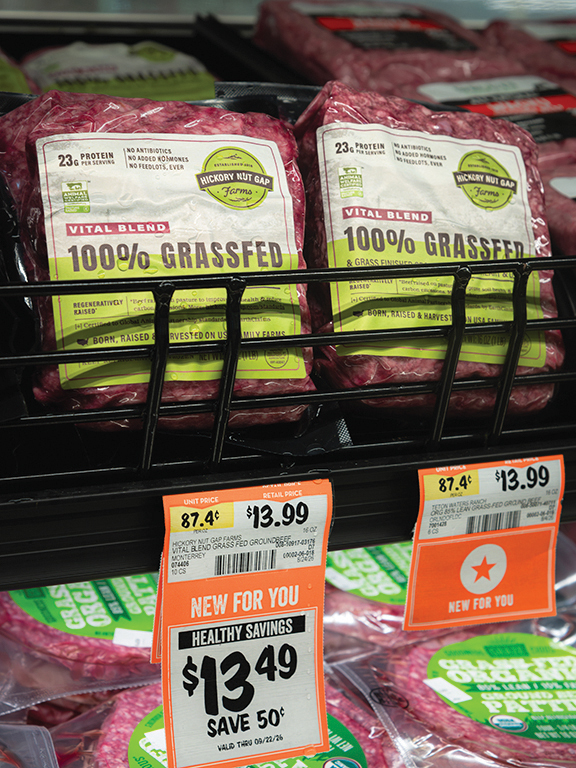
Hickory Nut Gap Expands Distribution to Sprouts Farmers Market
Hickory Nut Gap Farms has expanded distribution of its Vital Blend ground beef to more than 500 Sprouts Farmers Market locations nationwide.
Vital Blend combines 100% grass-fed, grass-finished beef with heart and liver, providing up to 4 grams more protein per serving than 80% lean ground beef.
Sourced from family farms in the Southeast using regenerative agriculture practices, the beef comes from pasture-raised cattle raised without antibiotics or added hormones.
“The addition of heart and liver is subtle, but meaningful to the health-conscious consumer,” said Jamie Ager, fourth-generation farmer and co-founder.
Sold in one-pound packages, Vital Blend is also available at Harris Teeter, Earth Fare, select Whole Foods Market locations and regional natural food retailers. Select Northeast Sprouts stores also carry Hickory Nut Gap Breakfast Sausage.
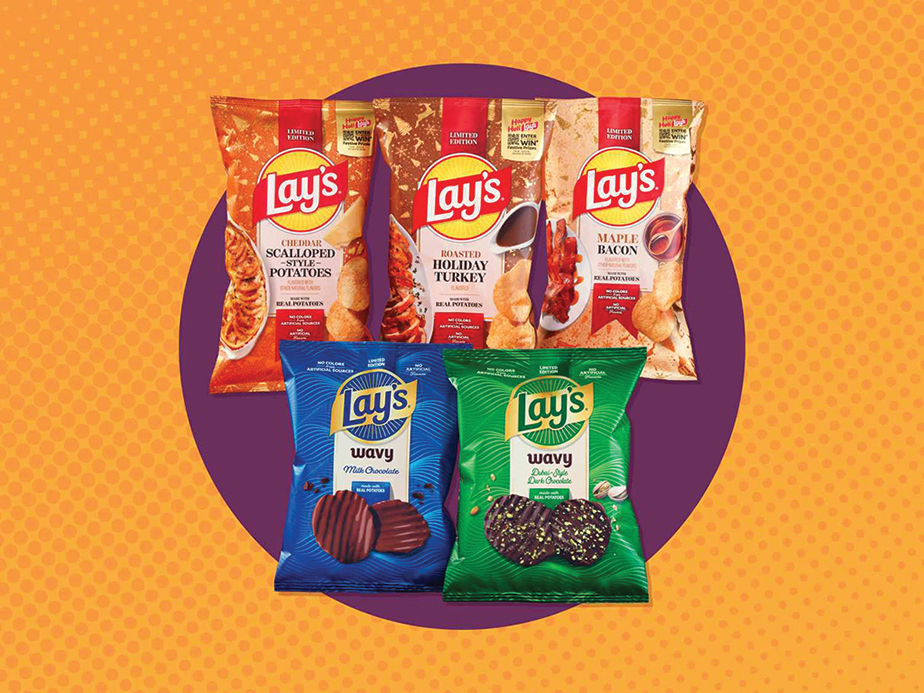
Lay’s Introduces Five Limited-Time Holiday Flavors
Lay’s is introducing five limited-time potato chip varieties for the holiday season, including three savory flavors and two chocolate-covered options.
Cheddar Scalloped-Style Potatoes and Roasted Holiday Turkey became available nationwide beginning Oct. 25. Maple Bacon, making its U.S. debut, follows Nov. 8.
Two sweet-and-salty varieties, Wavy Milk Chocolate and Wavy Dubai-Style Dark Chocolate, featuring dark chocolate and pistachios, will launch at select retailers Dec. 1, with expanded distribution planned for 2027.

Pepsi Adds Limited-Time Vanilla & Cream Flavors
Pepsi is introducing two limited-time cola varieties nationwide for the holiday season: Pepsi Vanilla & Cream and Pepsi Zero Sugar Vanilla & Cream.
Both combine Pepsi cola with vanilla and cream flavors. The zero-sugar version contains no sugar or calories.
Available in 12-pack cans and 20-ounce bottles, the new varieties expand Pepsi’s flavored cola lineup, which includes Wild Cherry and Wild Cherry & Cream in regular and zero-sugar versions.
Advertisers